
Diabetic Foot Care:
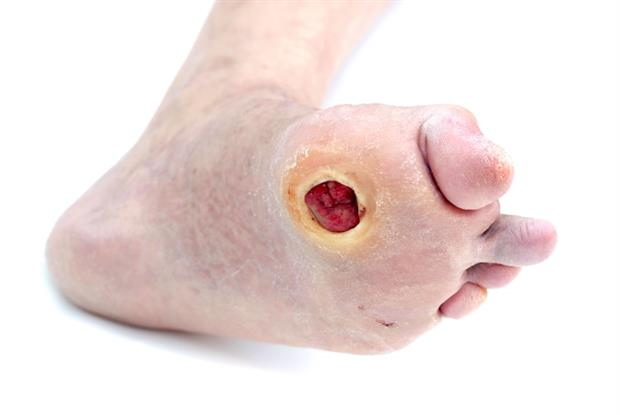
Diabetes decreases blood flow, so injuries heal slowly. A foot wound as small as a blister from wearing tight shoes can lead to severe complications. According to the American Diabetes Association, almost 6 percent of the U.S. population has diabetes (5.9 percent, about 15.7 million people). Neuropathy, or nervous system damage, is a major complication that affects about 60 to 70 percent of diabetics, and may cause numbness, or the loss of feeling, in their feet or hands.
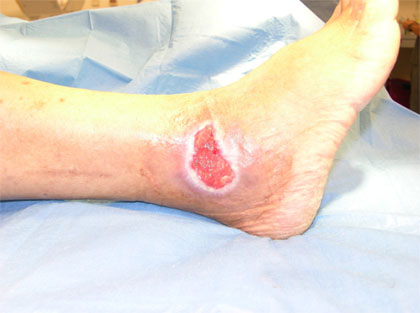
Diabetics are at a large risk for foot problems, and must constantly monitor their feet to avoid serious complications that can lead to amputation. Diabetics heal more slowly because of decreased blood flow, so small injuries can quickly become severe, as unhealed wounds are at increased risk for infection. Infections spread quickly in those suffering from diabetes, and can quickly become serious.
Diabetics need to inspect their feet every day for puncture wounds, bruises, pressure areas, redness, warm spots, blisters, ulcers, open sores, scratches, cuts, and problems with the nails. If you have a hard time seeing your feet, use a mirror, or have someone help you.
Neuropathy, or numbness, increases the risk of feet becoming deformed. Open sores can easily become infected, developing into ulcers. Neuropathy can also lead to Charcot foot (pronounced “sharko”), one of the most serious foot problems that can develop. Charcot foot is caused by bones fracturing and disintegrating, warping the foot. The condition gets worse as you continue to walk on it because you can’t feel the pain.
Treatment:
Both foot ulcers and the early stages of Charcot fractures can be treated using a total contact cast. The cast is molded from the shape of your foot, and is changed regularly, every one to two weeks, until your foot heals. In order to be effective, the contact cast requires good blood flow in the foot. The cast allows ulcers to heal by more evenly distributing weight, and relieving the pressure against the sore. In the case of Charcot foot, the cast supports the foot, and controls movement. Charcot foot can also be treated with a custom walking boot, which supports the foot until the swelling goes down, a process that can take up to a year. With both the contact cast and walking boot, you should try to keep from putting weight on the affected foot. If the warping of the foot is too severe for a brace, cast, or shoe, surgery may be considered.